Federation of the Democratic Left in France Reiterates Opposition to Normalization and Calls for Political Decongestion in Morocco
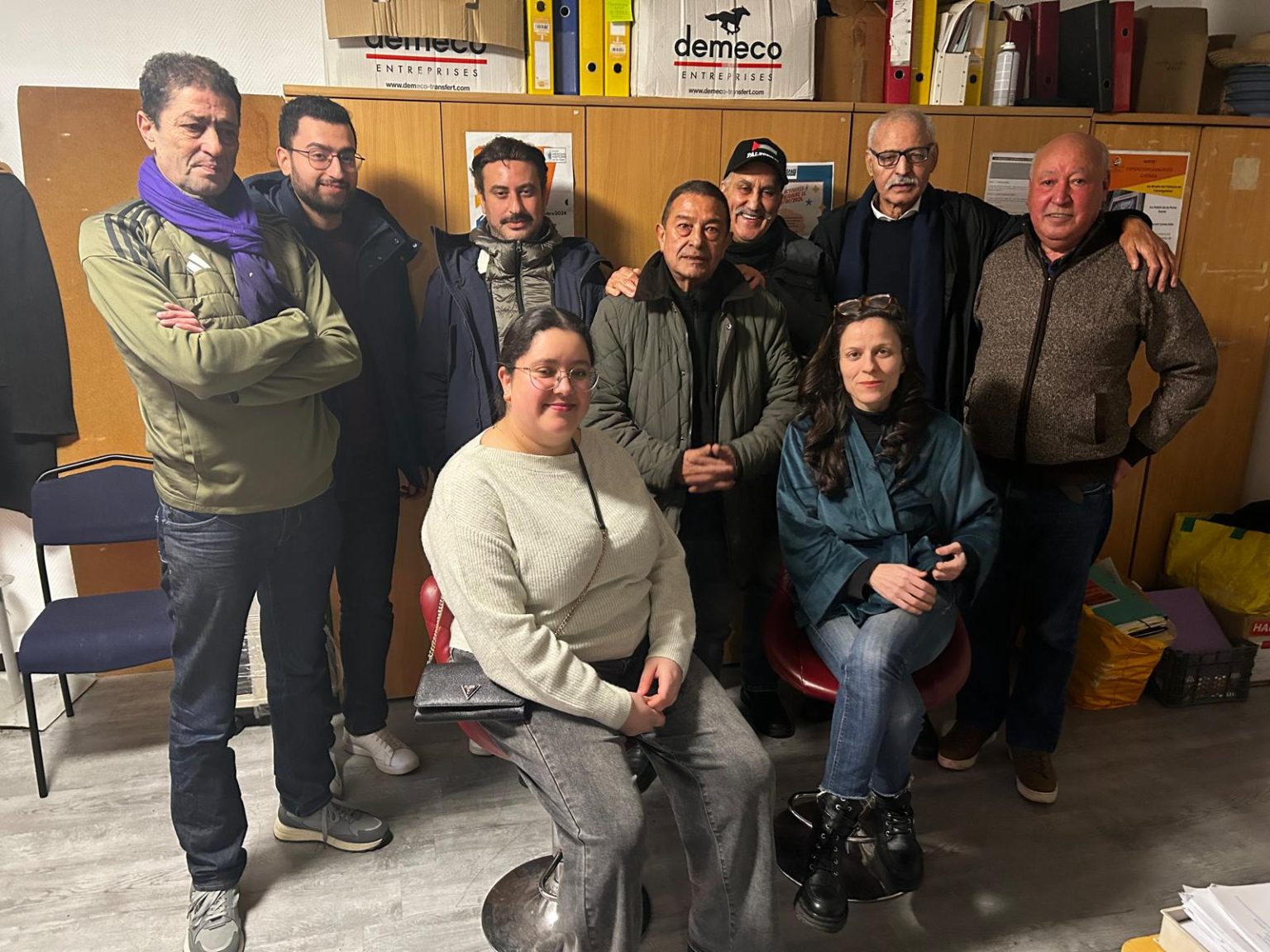
The Regional Council of the Federation of the Democratic Left (FDL) in France issued a statement following its meeting held on January 31, 2026, in Paris. The session was convened under the theme of commemorating the 60th anniversary of the abduction and assassination of martyr Mehdi Ben Barka and the 50th anniversary of the assassination of martyr Omar Benjelloun. The council deliberated on international, regional, and national developments, concluding with a firm political stance on several contemporary issues.
The Palestinian Cause and Normalization
The Regional Council reaffirmed its unconditional support for the Palestinian people, praising their resilience against what it described as the "Zionist war machine" and Western imperialism. The statement asserted that the Palestinian people and their resistance factions hold the sole right to self-determination and the establishment of an independent state with Jerusalem as its capital. Furthermore, the council strongly condemned the crimes committed in Gaza and the West Bank—including killing, forced displacement, and the destruction of civilian infrastructure—while demanding an immediate cessation of normalization between Morocco and the Israeli entity, arguing that such ties legitimize the occupation.
International Affairs: Venezuela and Sudan
On the international stage, the council denounced what it termed "American imperialist aggression" against Venezuela, following military strikes and the detention of President Nicolás Maduro. The statement characterized these actions as a flagrant defiance of international law and popular sovereignty. Expressing absolute solidarity with the Venezuelan people, the council argued that the intervention aims to seize oil, gas, and mineral resources while subverting a progressive national government.
Regarding the crisis in Sudan, the statement condemned the atrocities committed against the Sudanese people. It held the Rapid Support Forces (RSF) and other military factions accountable for what it described as war crimes and crimes against humanity. The council called for an immediate ceasefire, the establishment of safe humanitarian corridors, and a democratic transition that aligns with the objectives of the Sudanese revolution.
National Affairs and Social Justice
At the national level, the council declared its solidarity with the demands of the "Generation Z 212" movement and the broader Moroccan populace. It called for an immediate response to demands for dignity, social justice, and a fair distribution of wealth, emphasizing the right to healthcare, education, and employment. Additionally, the council condemned the rise of hate speech and racism against migrants, particularly those from Sub-Saharan Africa, warning that scapegoating entire groups for isolated incidents poses a societal danger.
Sovereignty and Political Reform
While noting that the latest UN resolution on the Sahara constitutes a step toward consolidating international recognition of national sovereignty over the southern provinces, the council emphasized that such sovereignty must be linked to "popular sovereignty." It advocated for the construction of a truly democratic state based on the rule of law and social justice. In this context, the Federation called for a comprehensive political decongestion (infraj), starting with the immediate release of all political prisoners, including activists from the Hirak Rif, journalists, bloggers, and human rights defenders.